It didn’t start with panic buying or a flashy headline.
It started with delivery times quietly slipping. Quotes expiring faster than usual. Cloud providers nudging prices up, just a little, and not explaining much.
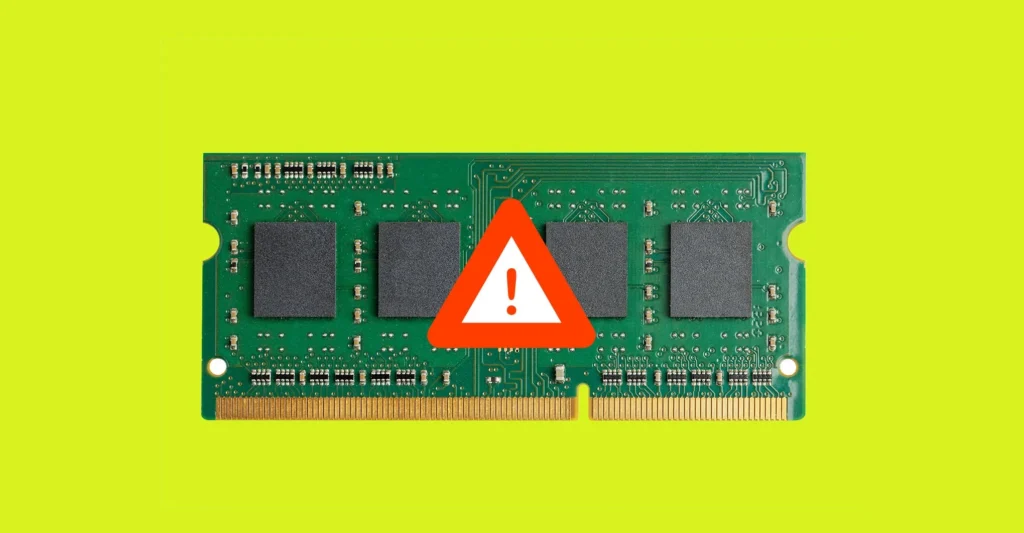
Now people across hardware, startups, and even traditional enterprises are starting to say the same thing out loud. RAM is getting harder to buy. And when you can get it, it costs more.
The reason sits in plain sight. Big AI companies are buying enormous amounts of memory. Not just GPUs. Not just data centers. Actual physical RAM, at a scale the market was not really prepared for.
This is not a consumer RAM problem, at least not yet
You can still walk into a store and buy RAM for a laptop. Gamers are not lining up outside Micro Center. Nothing dramatic like that.
But behind the scenes, especially in server-grade memory, things are tightening fast.
Large AI labs and cloud providers are locking in long-term contracts for high-capacity DRAM. Think hundreds of thousands of modules at a time. Sometimes more. These are not spot purchases. They are strategic stockpiles.
And that matters because RAM manufacturing does not scale overnight.
Why AI workloads eat memory differently
AI models do not just want fast chips. They want lots of memory, close to the compute.
Training large models requires keeping massive datasets, parameters, and intermediate states in memory. The bigger the model, the more RAM it consumes, often in parallel across many machines.
Inference does not save you either. Serving AI at scale still needs memory to hold model weights and user context. Especially when companies promise low latency responses.
This is where things get interesting.
GPUs get most of the attention, but RAM is the silent bottleneck. You can buy the fastest accelerator in the world, but without enough memory feeding it, performance collapses.
Big players know this. So they buy ahead.
Who is doing the buying
It is not just one company.
Major cloud providers, frontier AI labs, and hyperscalers are all in the same race. Everyone wants capacity now, not later. Nobody wants to be the one waiting six months because a supplier ran dry.
The result is predictable. Smaller buyers get pushed to the back of the line.
Startups building AI infrastructure report longer lead times. Enterprises upgrading on-prem systems are being quoted higher prices with shorter validity windows. Even some cloud customers are noticing memory-heavy instances becoming more expensive or limited.
Early signs suggest this pressure is not easing anytime soon.
Memory manufacturers are cautious, not careless
You might ask why RAM makers are not simply producing more.
The answer is boring but important.
Memory fabrication is capital intensive and slow to expand. Building or upgrading fabs takes years, not quarters. Manufacturers also remember past cycles where overproduction crushed prices.
So instead of flooding the market, they are expanding carefully. Enough to meet demand from their biggest, most reliable customers. Not enough to risk a glut if AI spending cools.
From their perspective, this is rational behavior.
From everyone else’s perspective, it feels like a squeeze.
The ripple effects are already visible
This is not just a cloud problem.
OEMs building servers are adjusting configurations to use less RAM where possible. Some software teams are suddenly optimizing memory usage again, something that had quietly stopped being a priority.
There are also reports of refurbished and secondary market RAM being snapped up faster than usual. That is often a sign of tightening supply, even if official channels stay calm.
Consumers may feel this later, not now. But history suggests enterprise shortages eventually trickle down.
Why this matters more than it sounds
RAM shortages do not make headlines like chip bans or GPU wars. But they shape what gets built and who gets to build it.
If only the biggest players can afford large memory pools, experimentation shifts toward them. Smaller labs and independent researchers face higher barriers. Some projects simply do not happen.
That concentrates power, quietly.
It also nudges the industry toward more centralized AI infrastructure. More workloads move to clouds that already secured supply. Less happens at the edge or on private hardware.
None of this is inevitable. But the direction is becoming clearer.
What happens next is still uncertain
There are a few paths forward.
Memory production will increase, slowly. New packaging techniques and higher-density modules may ease pressure. Some AI workloads may become more memory-efficient over time.
But demand is not standing still either. Models keep getting larger. Context windows keep expanding. Multimodal systems push memory use even higher.
So the likely outcome, at least in the near term, is continued tightness. Not a dramatic shortage, but a persistent one. Enough to shape decisions. Enough to raise costs.
Enough that people start paying attention.
RAM rarely gets the spotlight. But right now, it is one of the quiet constraints shaping the future of AI.
And those tend to matter the most.