Developers Can Now Submit Apps to ChatGPT: A New Frontier for AI Integration
In an exciting development for tech enthusiasts and developers, OpenAI has recently opened the gates for app submissions to ChatGPT. This announcement signifies a pivotal moment in AI integration, enhancing ChatGPT’s capabilities and offering developers a unique opportunity to contribute to the AI landscape. As developers can now submit apps directly to ChatGPT, it raises intriguing possibilities about how businesses and everyday users might interact with this leading AI language model.
A Game-Changer for Developers
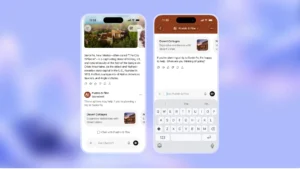
The initiative to allow app submissions aligns with the growing trend of integrating artificial intelligence into everyday tools and applications. By enabling developers to create custom apps that can be used within the ChatGPT framework, OpenAI is effectively fostering an ecosystem of innovation around its AI technology. Developers can design applications that enhance ChatGPT’s utility, making it more tailored to specific industries and user needs.
This fresh feature opens a canvas for creativity, allowing developers to customize the ChatGPT experience based on the unique demands of various sectors. Whether it’s a tool for project management, a customer service bot, or a specialized learning assistant, the integration of user-submitted apps could fundamentally transform how businesses leverage AI in their operations.
Why This Matters
The implications of this move extend beyond just technical advancements. For businesses, the ability to integrate personalized applications within ChatGPT can streamline processes and improve efficiency. Companies can deploy bespoke solutions that fit their workflows without needing to build an entirely new AI system from scratch. This environment encourages a direct synergy between users and developers, leading to faster problem-solving and enhanced user experiences.
From a broader perspective, this initiative could lead to increased competition among developers, prompting the creation of innovative apps that push the boundaries of what’s possible with AI. In essence, it democratizes the development of AI applications, allowing a diverse range of voices and ideas to shape the ChatGPT landscape.
The Entrepreneurial Angle
Entrepreneurs should take note: this is a ripe opportunity to develop AI-driven solutions. With ChatGPT’s user base potentially expanding thanks to these apps, there’s a significant market waiting for novel ideas. The flexibility to develop applications that can respond to specific needs can help startups differentiate themselves in a competitive market. Additionally, collaboration with OpenAI could provide unique advantages, especially for fledgling companies looking to capitalize on the AI revolution.
For entrepreneurs and business leaders, understanding how to leverage these new capabilities effectively will be key. It will be essential to keep an eye on emerging trends, forge partnerships with talented developers, and stay agile in implementing AI solutions that can truly transform their operations.
The User Perspective
For everyday users, the availability of custom apps within ChatGPT means a more robust and tailored experience. Imagine interacting with ChatGPT to receive personalized recommendations for software based on your specific business needs or even accessing tailored educational tools that adapt to your learning style. This enriched experience promises to make AI more accessible and functional for a wider audience, ultimately fostering deeper connections between technology and users.
Furthermore, as developers roll out new apps, users can expect continuous improvements and features that respond to collective needs. This feedback loop will not only enhance the existing capabilities of ChatGPT but also drive innovation in AI usage overall.
Looking Ahead
As we look to the future, the implications of app submissions to ChatGPT could set the groundwork for the next generation of AI utility. The ecosystem that OpenAI is cultivating around ChatGPT could pave the way for broader applications of artificial intelligence across industries. We may soon see a wave of innovations that integrate seamlessly into our daily lives, enhancing everything from personal productivity to customer engagement.
Moreover, as the landscape of AI continues to evolve, so will the regulation and ethical considerations surrounding these technologies. Developers will need to stay aware of best practices regarding user privacy, data security, and ethical AI use. This consideration will not only safeguard users but also build trust as these technologies become more ingrained in everyday life.
Conclusion
The announcement that developers can now submit apps to ChatGPT marks a significant turning point in the relationship between technology and society. This initiative is more than just about building applications; it’s about fostering a thriving ecosystem where creativity and utility coexist, unlocking a multitude of possibilities. As businesses and developers gear up to embrace this new era of AI, understanding how to harness these innovations will be crucial for success.
For those in the tech field, being proactive and forward-thinking will ensure they remain at the forefront of this burgeoning wave, ensuring that they leverage the tools available effectively while shaping the narrative of AI’s role in the future. As we continue down this path, one thing remains clear: the future of AI looks promising, thanks to the collaborative efforts of developers and innovators eager to explore the vast potentials of ChatGPT.