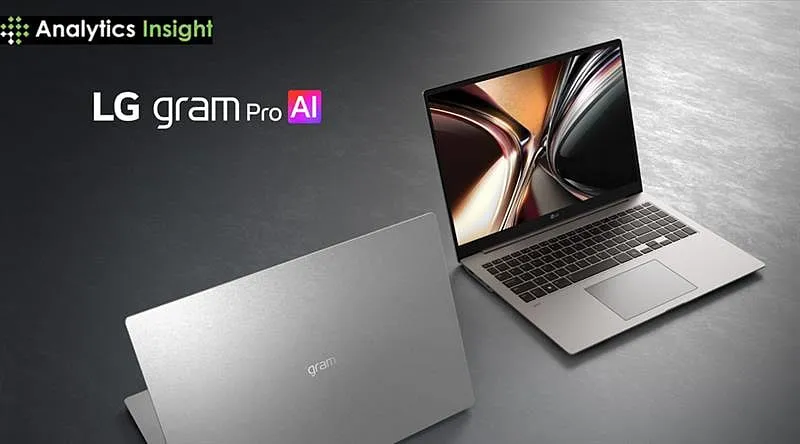
LG didn’t make a lot of noise when it pulled the curtain back on its 2026 Gram laptops.
No dramatic stage moments. No wild claims about changing the future of computing. Just a quiet unveiling that felt very on brand for the Gram line. Lightweight, practical, and a little understated.
Still, if you look closely, there’s more going on here than a routine refresh.
The Gram identity is staying put
First, the obvious. These are still Gram laptops.
They’re thin. Very light for their size. And clearly designed for people who care more about carrying comfort than raw performance bragging rights.
LG seems committed to that identity, even as the rest of the laptop market chases AI branding and thicker thermal designs. That’s a deliberate choice. And probably a smart one.
The 2026 models stick with large screens in bodies that feel almost suspiciously light when you first pick them up. That initial “wait, is this hollow?” moment is still part of the Gram experience.
Some things haven’t changed, and that’s the point.
Performance upgrades without the chest-thumping
Under the hood, LG is moving to the next wave of processors expected to dominate 2026 laptops.
Think newer Intel and AMD chips with more emphasis on efficiency than raw clock speeds. LG hasn’t framed this as a performance revolution, and that restraint matters.
Early information suggests modest gains in everyday responsiveness rather than anything meant to impress benchmark charts. Apps open faster. Multitasking feels smoother. Battery drain under load is better controlled.
This is not a machine aimed at gamers or video editors pushing 4K timelines. And LG doesn’t pretend otherwise.
That honesty is refreshing.
AI features are here, but quietly
Yes, AI is part of the pitch. It has to be.
But LG isn’t slapping “AI PC” labels all over the chassis. Instead, the 2026 Gram leans into background features. Smarter power management. Noise suppression that adapts to your environment. On-device assistants that help with search, summaries, and light productivity tasks.
Nothing groundbreaking. Nothing scary either.
This feels like LG testing how much AI users actually want, rather than forcing it into every workflow. Early signs suggest a softer approach might land better with Gram buyers, who tend to value stability over experimentation.
Battery life remains the real selling point
This is where LG continues to focus its energy.
The company is claiming longer battery life across most usage scenarios, especially for browsing, writing, and video calls. Those are the activities Gram owners actually do all day.
Part of this comes from more efficient processors. Part comes from aggressive tuning at the software level. LG has spent years optimizing how its laptops sip power rather than gulp it.
Real-world results will matter more than lab numbers, of course. But if LG delivers even small improvements here, it reinforces the Gram’s core appeal.
A laptop you can carry all day and forget about the charger.
Displays get incremental, not flashy, upgrades
The screens on the 2026 Gram models don’t scream for attention, and that’s fine.
Expect sharper panels, better brightness consistency, and improved color accuracy. Not OLED across the board. Not extreme refresh rates. Just sensible upgrades that make long work sessions easier on the eyes.
LG seems to understand that most Gram users care more about clarity and comfort than visual fireworks. This part matters more than it sounds.
When you spend hours staring at a screen, subtle improvements add up.
Build quality gets more attention this time
One quiet criticism of earlier Gram models was how light sometimes felt a little too light. Flex in the keyboard deck. A lid that didn’t inspire confidence.
LG appears to be addressing that in 2026.
The new models reportedly use reinforced materials that add stiffness without much weight penalty. Early hands-on impressions suggest a firmer typing feel and less screen wobble.
It’s not a dramatic transformation, but it’s noticeable. And for a premium-priced laptop, it was overdue.
Pricing and positioning remain a question mark
LG hasn’t fully detailed pricing yet, and that’s where some uncertainty creeps in.
The Gram line has never been cheap. And with component costs still unpredictable, there’s a chance prices creep higher in 2026.
If that happens, LG may find itself squeezed between more powerful ultrabooks on one side and cheaper, good-enough options on the other.
The Gram works best when buyers feel they’re paying for something specific. Weight, battery life, and portability. Not vague promises.
Who these laptops are really for
The 2026 Gram lineup is not trying to win everyone.
It’s for students who carry their laptop everywhere. Professionals who travel often. Writers, analysts, and anyone whose day revolves around documents, tabs, and calls rather than heavy creative workloads.
LG knows this audience well. And it hasn’t drifted far from it.
That consistency is easy to overlook, but it’s rare in a market that loves chasing trends.
What to expect next
As always, the real test comes after launch.
Battery life claims will be scrutinized. AI features will either fade into the background or quietly become useful. Pricing will decide how competitive the lineup actually is.
For now, the 2026 LG Gram laptops feel like a careful reset. Not flashy. Not risky. Just refined in the places that matter to the people who already like these machines.
Sometimes, that’s enough.