If you only looked at the headline numbers, you might think clean tech had a rough year.
Global funding totals are uneven. Some regions are clearly pulling back. A few once-hyped segments look quieter than they did in 2021 or 2022. And yes, investors are asking tougher questions than they used to.
But spend a little time digging into where the money is actually going, and the picture gets more complicated. And more interesting.
Clean tech funding hasn’t collapsed. It has shifted.
That shift says a lot about how the sector is growing up.
The big headline numbers hide what’s really happening
Overall investment in clean technology has produced mixed results across regions and sectors. North America and parts of Europe saw slower growth in venture funding compared to the post-pandemic boom years. Canada, in particular, reported a noticeable dip in new clean tech deals.
At the same time, certain markets in Asia and the Middle East are quietly expanding their exposure, often through government-backed funds or strategic corporate investments rather than classic venture rounds.
So yes, totals look uneven. But the slowdown isn’t evenly distributed.
Early-stage, speculative startups are feeling the chill the most. Capital-intensive bets with long timelines and unclear commercial paths are harder to sell right now. That’s especially true for technologies that rely heavily on subsidies or regulatory shifts that haven’t materialized yet.
Later-stage companies with real customers are telling a different story.
Investors want proof, not promises
This is the part founders don’t always love to hear.
Investors are no longer rewarding clean tech pitches based purely on climate impact or long-term potential. They want evidence that a company can scale without burning endless capital along the way.
Revenue matters again. Margins matter again. Unit economics are back in the room.
That doesn’t mean climate goals are suddenly irrelevant. It means they’re no longer enough on their own.
Energy efficiency software, grid optimization tools, battery management systems, and industrial decarbonization platforms are attracting attention because they solve immediate problems for customers. They also tend to require less capital than, say, building a new generation of hardware from scratch.
That’s where funding momentum is concentrating.
Hardware is harder. But not impossible.
Hardware-focused clean tech has not disappeared, despite the narrative.
It’s just more selective.
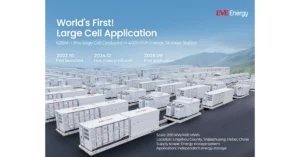
Battery tech, long-duration energy storage, and next-generation materials are still pulling in capital, but mostly from specialized investors who understand manufacturing risk and long timelines. These deals often involve strategic partners rather than pure financial VCs.
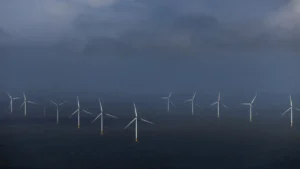
Solar and wind, meanwhile, have entered a more mature phase. The innovation hasn’t stopped, but the excitement has cooled. Investors now treat these sectors more like infrastructure plays than moonshots.
That changes who writes the checks and what kind of returns they expect.
It also means fewer splashy headlines, even though the underlying deployment keeps growing.
Policy uncertainty is part of the story
Clean tech is unusually sensitive to policy. That has always been true, but it feels sharper right now.
In some countries, unclear timelines around incentives, carbon pricing, or grid reforms are making investors hesitate. They’re not necessarily bearish, just cautious.
In contrast, regions with stable long-term frameworks are benefiting. When governments provide predictable support rather than short-term stimulus, private capital tends to follow.
This partly explains why funding patterns look fragmented instead of globally synchronized.
Corporate money is filling some gaps
One underreported trend is the growing role of corporate investors.
Energy companies, industrial manufacturers, logistics firms, and even consumer brands are taking direct stakes in clean tech startups. Sometimes it’s about access to technology. Sometimes it’s about hedging future regulatory risk.
Either way, this capital often comes with fewer hype cycles and more patience.
That matters for startups that don’t fit the classic venture model but still solve meaningful problems.
What founders should realistically expect next
The next phase of clean tech funding is unlikely to resemble the easy-money era.
Rounds may take longer to close. Valuations are under pressure. Diligence processes are deeper and sometimes uncomfortable.
But for companies that can show traction, the door is still open.
In fact, some investors argue this environment is healthier. Fewer copycat startups. More focus on execution. Less noise.
The companies that survive this period may emerge stronger, with clearer business models and better alignment between climate impact and commercial reality.
That’s where things start to feel less gloomy and more grounded.
Why this matters beyond venture capital
Clean tech funding trends aren’t just a startup story. They influence how quickly energy systems modernize, how industries decarbonize, and how resilient economies become.
A slowdown in speculative funding doesn’t automatically slow climate progress. In some cases, it filters out ideas that were never going to scale.
What matters is whether capital continues flowing to solutions that actually get deployed.
Right now, the signals are mixed. But mixed doesn’t mean stalled.
It means the sector is adjusting to a new normal, one that looks less euphoric and more practical.
And in clean tech, practicality might be exactly what moves the needle next.