AI Tools Aim to Speed Agent-Buyer Connections: Transforming the Real Estate Landscape
In the fast-evolving world of real estate, the advent of artificial intelligence (AI) tools is revolutionizing how agents and buyers connect. As noted in a recent article by Florida Realtors, these innovative technologies are designed to streamline communications and facilitate seamless transactions. This shift is not just a technological upgrade; it’s a crucial development for business professionals and entrepreneurs in the industry who are navigating an increasingly competitive market.
Understanding the Landscape of AI in Real Estate
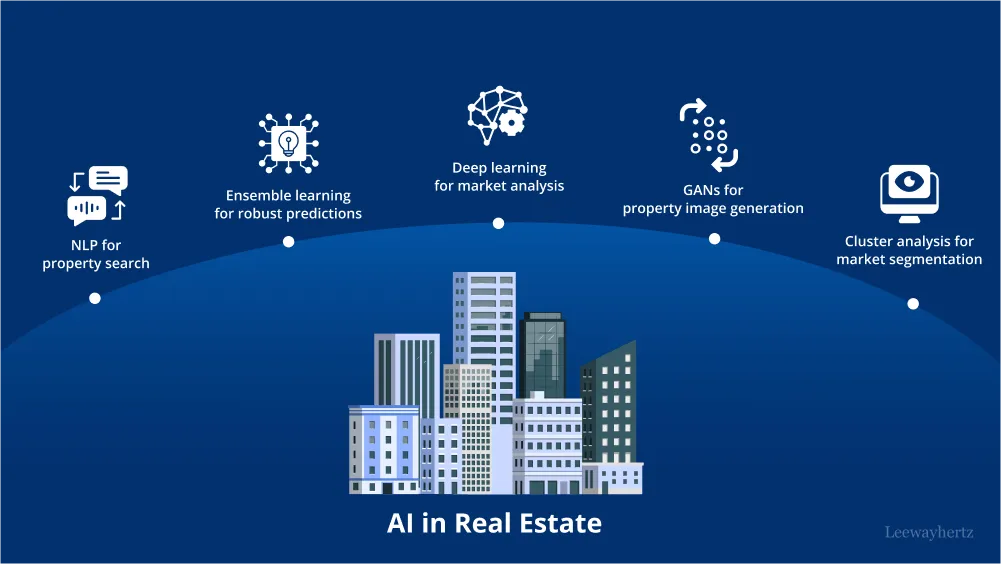
The integration of AI in the real estate sector is rapidly gaining traction, with many agents and firms turning to advanced digital tools to enhance their operations. From chatbots that provide immediate responses to inquiries, to predictive analytics that help identify buyer preferences, AI offers a spectrum of capabilities that can significantly increase efficiency and lead conversion rates.
These tools are designed to help agents quickly identify and connect with potential buyers, thereby decreasing the time it takes to close deals. According to recent trends, the efficiency brought forth by AI not only improves agent productivity but also enhances the overall experience for buyers looking for properties that fit their unique preferences.
The Role of AI Tools in Enhancing Connections
At the core of these advances is the desire to create meaningful connections between agents and buyers. Traditionally, this process could be slow, with buyers often feeling overwhelmed by choices and agents struggling to track leads. AI tools mitigate these challenges by offering personalized recommendations based on user behavior and search history.
For instance, AI-powered platforms can analyze vast amounts of data—including market trends, customer preferences, and historical transactions—to match buyers with listings that specifically meet their needs. This not only speeds up the property search process but also ensures that buyers receive personalized suggestions that align with their criteria.
Additionally, these tools can offer insights into the optimal times for making connections or presenting properties, further tailoring the experience to suit individual buyer tendencies. By leveraging predictive analytics, agents can refine their outreach strategies, making them more effective and targeted.
Benefits of Accelerated Agent-Buyer Connections
The benefits of using AI tools extend beyond mere efficiency. For agents, faster connections translate into more opportunities to finalize deals and grow their client base. The real estate market is notoriously competitive, and the ability to respond to potential clients promptly can often be the deciding factor in securing a sale.
From the buyer’s perspective, these tools significantly enhance the property search experience. AI can sift through countless listings and filter out the noise, allowing potential homeowners to focus on properties that resonate with their lifestyle and financial capabilities. This personalized approach not only fosters a sense of trust but also empowers buyers, creating a more satisfying journey through the often complex real estate landscape.
Real-World Applications and Success Stories
Several real estate firms have already begun to reap the benefits of AI-driven connection tools. Companies are integrating customer relationship management (CRM) systems that use AI to analyze interactions and predict when a buyer may be ready to engage actively with an agent. This insight allows for timely follow-ups and customized marketing strategies that resonate with potential clients.
For instance, firms employing AI chatbots on their websites have reported a significant increase in engagement rates. These chatbots can answer common questions in real time, guiding prospective buyers through initial inquiries without the need for an agent’s immediate involvement. This not only frees up agents to focus on more complex tasks but also provides buyers with instant information—a crucial factor in today’s fast-paced market.
The Future of AI in Real Estate
As AI technology continues to evolve, we can expect even more innovative applications in the real estate sector. The possibility of virtual reality (VR) property tours powered by AI could soon become mainstream, allowing buyers to experience properties from the comfort of their homes while receiving real-time insights and recommendations.
Moreover, as AI algorithms become more sophisticated with advancements in machine learning, the precision of predictions regarding market trends, pricing strategies, and buyer behaviors will only enhance, providing even greater value to agents and clients alike.
Conclusion
The integration of AI tools aimed at speeding agent-buyer connections is not just a trend; it represents a fundamental shift in how real estate transactions are conducted. By harnessing the power of AI, agents can significantly improve their outreach and efficiency, while buyers benefit from a more personalized and streamlined search experience.
As the real estate landscape continues to evolve with these technologies, both agents and buyers will find themselves at the forefront of a more connected, efficient, and informed market. The future is bright for those who embrace these changes, as AI tools become indispensable allies in the quest to transform the home-buying experience into something that is not only efficient but truly enriching.
This evolution underscores the importance of staying informed and adapting to the latest technologies, ensuring that businesses remain competitive in an ever-changing environment. The intersection of AI and real estate is just beginning, and the opportunities are limitless.