AI That Listens: Building Educator-Centered AI Tools on AWS
As the world of education rapidly evolves, so does the role of technology in improving learning outcomes. With the emergence of AI that listens, Amazon Web Services (AWS) is taking significant strides in creating educator-centered AI tools designed to enhance the teaching experience and student engagement. This comprehensive shift not only represents a technological advancement but also a pivotal change in the relationship between educators, students, and the tools that support them.
What’s New in AI-Driven Educational Tools?
At the heart of the current educational technology revolution is the development of AI that listens. AWS has proclaimed its commitment to harnessing artificial intelligence in ways that prioritize the needs of educators. This type of AI does not just react; it actively listens to and understands the unique requirements and challenges faced by teachers in the classroom.
The push towards educator-centered AI technology is about more than just efficiency. It’s about creating an environment where teachers can more effectively connect with their students. By prioritizing the sentiments and feedback of educators, AWS aims to develop tools that enhance lesson planning, improve classroom management, and foster a more engaging learning atmosphere.
Bridging the Gap Between Technology and Teaching
The traditional method of integrating technology into the classroom often leaves educators feeling like passive recipients. However, with AI that listens, there is a paradigm shift; these tools are now designed in a collaborative spirit, allowing educators to share insights and feedback that will shape future iterations of the software. By involving educators in the development process, AWS is not only ensuring that the tools are fit for purpose but also increasing their likelihood of adoption and successful integration into daily teaching practices.
This feedback loop that AI enables is crucial. Teachers can provide real-time data about student performance, engagement levels, and comprehension, allowing the AI to adapt and suggest modifications to teaching strategies or resources. This means that rather than a static tool, educators can work with a dynamic assistant that grows smarter and better at meeting the needs of their classrooms over time.
Why It Matters for Educators and Students Alike
The focus of these tools goes beyond theoretical benefits; they promise tangible improvements in the educational landscape. For educators, having access to AI-driven insights can reduce workloads while providing effective strategies tailored to their specific classrooms. Imagine having classroom management insights at your fingertips or receiving real-time suggestions based on student interaction patterns. Such advancements can lead to increased job satisfaction and less burnout among teachers.
For students, the benefits are equally profound. With educator-centered tools that can tailor learning experiences, students are likely to engage more deeply with the material. Personalization in education leads to better learning outcomes, as each student’s unique learning style can be addressed. AI that listens to the classroom environment can help identify when students are struggling and recommend timely interventions.
Real-World Applications of AI Tools
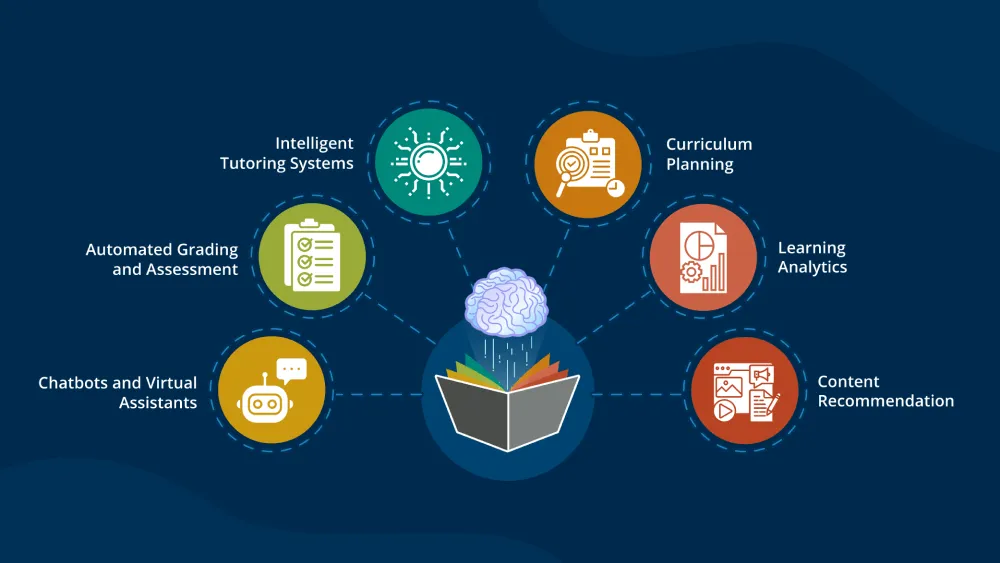
Various applications powered by AI that listens are beginning to emerge. For instance, imagine a learning management system that analyzes student interactions and automatically suggests supplementary materials based on areas where students are struggling. Such AI tools can also provide predictive analysis, forecasting which students may need additional help based on past performance.
Furthermore, these tools can assist with administrative duties, like grading and feedback collection, allowing educators to focus more on teaching and less on tedious paperwork. This focus shift creates more personalized teaching moments, leading to enriched classroom dynamics.
Future Directions
The potential for growth in this sector is immense. AWS is not alone in recognizing the transformative power of AI in education, and as more developers enter this space, the competition will undoubtedly spur innovation. The ongoing conversation around data privacy, especially in the educational sector, remains vital. Companies must tread carefully, ensuring that any data collected from students and teachers is handled responsibly and ethically.
Looking ahead, as AI technology becomes more sophisticated, we can expect continued advancements in adaptive learning technologies. This evolution will shape not only the tools but the very philosophies underlying modern education. With listening AI by their side, educators may find themselves at the forefront of an educational revolution that prioritizes engagement, personalization, and responsiveness.
Conclusion
In conclusion, AI that listens marks a transformative chapter for the education sector. With the support of AWS and similar platforms, educators will no longer have to rely on generic tools that do not recognize their specific needs. Instead, they can look forward to AI-driven solutions that actively engage with their challenges, enhance their teaching practice, and ultimately contribute to better learning experiences for all students. This shift toward educator-centered AI tools highlights the significant potential for technology to not only streamline processes but also enrich the relationship between teaching and learning in the contemporary educational landscape.