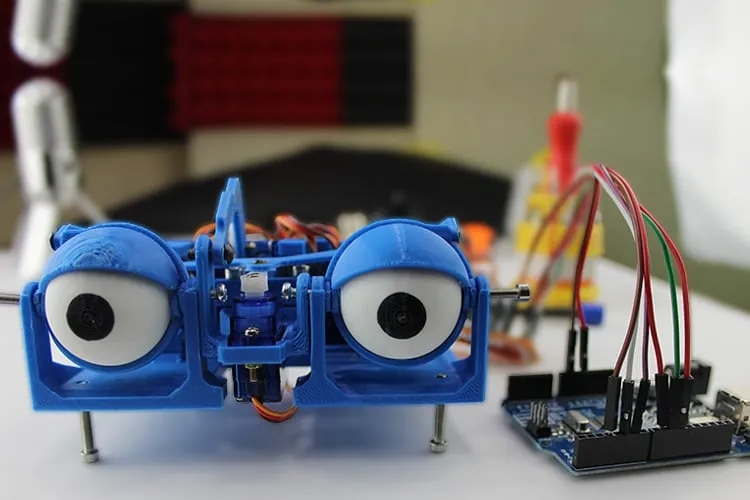
Unleashing Creativity with Simple Animatronic Eyes
In the world of robotics and DIY projects, simple animatronic eyes are making quite a splash. These engaging little gadgets not only spark creativity but also provide a gateway to understanding more complex robotics. Creating life-like movements and expressions can transform static models into interactive experiences, which is why the development of simple animatronic eyes is so significant for makers, educators, and tech enthusiasts alike.
Imagine constructing a charming creature that follows your gaze or designing a futuristic puppet with moving eyes that react to its surroundings. Simple animatronic eyes can be the heart of such projects, and they’re not as daunting to create as one might think. With the right tools and guidance, these eye mechanisms can enhance a multitude of projects, whether for personal enjoyment, educational purposes, or even professional applications.
What Are Simple Animatronic Eyes?
At their core, simple animatronic eyes are mechanisms designed to mimic the movement of human or animal eyes. These devices can be controlled in real time through joystick inputs, making them interactive, or they can be programmed for automated responses, leading to impressive displays of animation. This blend of mechanics and creativity is what makes animatronic technology an attractive option for hobbyists and professionals alike.
One might wonder about the practical applications of these simple yet effective devices. Beyond entertainment, they serve educational purposes, helping students and newcomers to robotics understand concepts of movement, mechanics, and programming. The DIY community has long been a nurturing ground for innovative thinkers, and the introduction of projects like simple animatronic eyes only enriches this ecosystem.
The Mechanics Behind the Magic
Building animatronic eyes typically involves basic components such as servos, control boards, and, of course, the eyes themselves, which can simply be made from commonly available materials. The beauty of using straightforward mechanisms is that they can scale in complexity, adapting to the creator’s skill level and ambition.
For those looking to delve into the technical aspects, creating animatronic eyes often starts with selecting suitable servos that can provide enough movement with precision. These servos, when connected to a joystick or programmed for a specific pattern, allow the eyes to follow that motion authentically. This interactivity adds a captivating layer to any project, making it feel alive in a way that static models cannot achieve.
Why This Matters
So, why should business professionals and tech-forward leaders take notice of this playful yet profound trend? Simple animatronic eyes represent a crossroads of technology, creativity, and educational opportunity. For startups and entrepreneurs, tapping into the DIY and maker movements through engaging projects can lead to new product ideas or services that resonate with consumers seeking unique experiences.
Investing time in learning about simple animatronic technology not only enhances a maker’s toolkit but also prepares the ground for larger innovations in robotics and artificial intelligence. As industry leaders begin to explore the potential of integrating animatronics into consumer products—think interactive toys, educational tools, or even customer service bots—the ability to design and program devices with such features becomes invaluable.
Real-World Applications and Opportunities
The versatility of simple animatronic eyes means they can be employed across various sectors. In education, for instance, incorporating animatronic models into science and technology curricula can inspire students, making learning tangible. From simple classroom projects to graduation showcases, these creations can show the practical applications of mechanics and programming in a fun and engaging way.
In entertainment, animatronic eyes bring cinematic experiences and live performances to life. Think about how a puppet or animatronic character becomes more engaging with moving eyes that express emotion and connection with the audience. Developers of video games and virtual reality experiences can also adopt similar principles, enhancing player engagement through lifelike representations.
Embracing the Maker Movement
The burgeoning maker movement is redefining how we approach learning and innovation. More than ever, individuals are turning to DIY projects to express their creativity and technical skills, often leading to entrepreneurial opportunities. For those delving into animatronics, tools and resources are becoming increasingly accessible, encouraging exploration and experimentation.
As more people engage with technologies like simple animatronic eyes, we can expect to witness remarkable creativity emerge. Whether used as a fun instructional tool, an artistic medium, or a prototype for a product pitch, these devices symbolize a broader trend toward democratizing technology and fostering community engagement.
Conclusion
The world of simple animatronic eyes holds exciting possibilities for anyone interested in merging creativity with technology. By understanding the basic mechanics and control systems, makers can unlock a wealth of innovative projects. In turn, this can inspire further exploration into robotics, programming, and beyond.
As animatronic technology continues to evolve, it opens doors for entrepreneurs and creators who are ready to innovate and transform the landscape of interactive design. So whether you’re a seasoned tech leader or a curious newcomer, taking a glimpse into the world of animatronics may just unveil your next big idea.